Daily life and recurrence prevention after treatment
Healthcare
About This Information:
This English version is a translation of content originally created based on medical information used in Japan. Accordingly, the data and treatment approaches presented reflect the situation in Japan and may differ from those in other countries or regions.
Supervised by: Dr. Megumi Yokota (Lecturer, Department of Obstetrics and Gynecology, Hirosaki University Graduate School of Medicine)
After treatment, it is important to take good care of your body and avoid overexerting yourself. Although fibroids are benign, they can sometimes develop again due to hormonal influences. Small adjustments to your daily routine can help prevent recurrence.
-
Try to keep your body warm. Poor blood circulation affects hormone balance.
-
Eating a balanced diet with plenty of iron and vitamins can also help prevent anemia.
-
Keep good blood circulation through moderate exercise and stretches, and be conscious of not building up stress.
-
Getting enough sleep is also important for helping your body recover.
-
Have regular medical checkups. Regular checkups help detect any recurrence of fibroids or other gynecological conditions early.
A word from the supervising doctor
Uterine fibroids are a common condition. Don't hesitate to consult a doctor.
Fibroids are benign tumors that develop in the uterus, and they are said to occur in approximately 30% of women aged 30 and older. This percentage is much higher than that of the malignant diseases treated in obstetrics and gynecology, such as cervical, endometrial, and ovarian cancer. In other words, they are a common condition experienced by many adult women. Fibroids are not a rare disease, and no woman is entirely unaffected by the possibility. For this reason, it is important to have accurate knowledge of fibroids and pay attention to your body.
Fibroids may be asymptomatic or present with a wide range of symptoms, including heavy menstrual bleeding, prolonged menstruation, menstrual pain, abdominal bloating, mild anemia, and frequent urination. Many women put off seeing a doctor even when they have these symptoms, telling themselves "it's just my constitution" or "I can put up with this much discomfort."
However, even when symptoms are mild, it is important to consult an obstetrician-gynecologist early and not to overlook the small signals your body gives. Early consultation not only helps prevent the disease from progressing but also expands your treatment options, which can reduce the physical and emotional burden. Remember: seeking advice early brings peace of mind.
Treatment is not limited to a single option. In addition to surgery, options include medication and other therapies, so you can choose the approach best suited to you. What matters most is making a decision you feel comfortable with, based on your age, the severity of your symptoms, whether you hope to become pregnant in the future, and your work and lifestyle. You can work with your doctor to find the approach that best suits you.
To that end, regular gynecological check-ups are recommended. Consult a gynecologist early if you have any concerns, however minor. The first step is to understand your own physical condition accurately and have a thorough discussion with your doctor. We encourage you to find a trusted gynecologist to serve as your regular physician and to establish a relationship in which you can raise any concerns, whether about fibroids or other gynecological conditions.
Dr. Megumi Yokota (Lecturer, Department of Obstetrics and Gynecology, Hirosaki University Graduate School of Medicine)
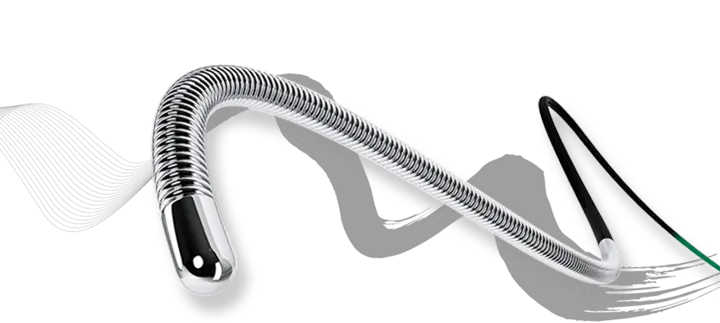
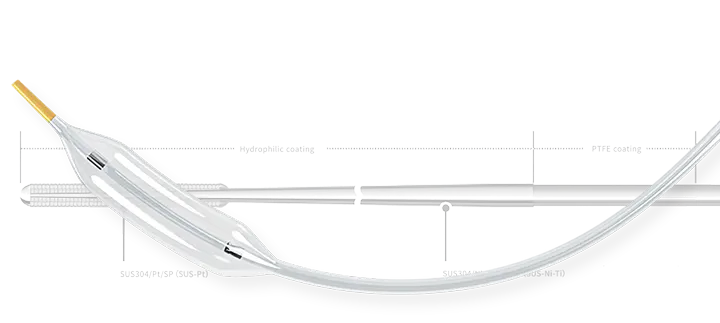
UAE (uterine artery embolization): a catheter-based treatment option
Uterine artery embolization (UAE) is a treatment that aims to relieve the distressing symptoms of uterine fibroids while preserving the uterus. It is reported to relieve bleeding symptoms such as menorrhagia in over 90% of patients and pressure symptoms such as a feeling of pressure and frequent urination in 88% to 92%, and approximately 75% of patients experience substantial overall symptom improvement.
However, UAE is not a treatment that eliminates fibroids entirely. Rather than true recurrence, patients may experience a return of symptoms or require additional treatment. Reported retreatment rates are 14.4% at 3 years and 15% to 32% at 2 years. Complications include post-procedural pain, fever, nausea, vaginal discharge, fibroid expulsion, infection, and amenorrhea, but serious complications are uncommon.
UAE may or may not be suitable depending on your age, whether you wish to become pregnant, and the size and location of the fibroids. It is therefore important to discuss your options with both your gynecologist and an interventional radiologist before deciding.
Dr. Shiro Onozawa (Associate Professor, Department of Radiology, Kyorin University Faculty of Medicine)